Condensdroger
Wat is een condensdroger?
Een condensdroger is een machine die er voor zorgt dat vocht uit de lucht gehaald wordt. Een industriële condensdroger kan ingezet worden als tijdelijke of stationaire oplossing voor omgevingen waar vochtproblemen voorkomen. CSrental heeft verschillende uitvoeringen van de condensdroger die te huur zijn. Het assortiment bestaat uit verschillende varianten van de condensdroger. De condensdrogers hebben een capaciteit van 2,200 m³/h naar 5,000 m³/h. Een stalen frame maakt de condensatiedrogers geschikt voor verhuur.
Hoe werkt een condensdroger?
Bij condensdrogers wordt de aangezogen en vochtige lucht afgekoeld door middel van het verdampergedeelte van een gesloten koelsysteem. Door de afkoeling komt de relatieve luchtvochtigheid van de lucht boven de 100%. Met als gevolg dat de waterdamp condenseert. Het gecondenseerde water wordt afgevoerd naar een reservoir of een slang naar buiten.
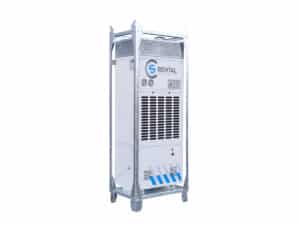
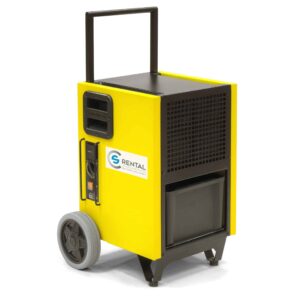
Condensdroger DF-175 S
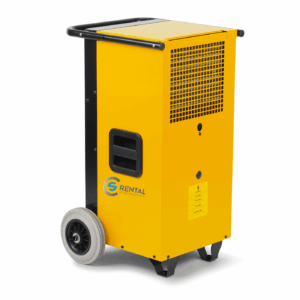
Condensdroger DF-400
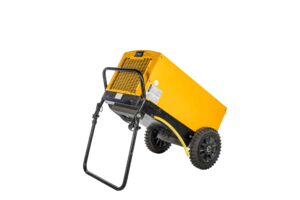
Condensdroger DF-800
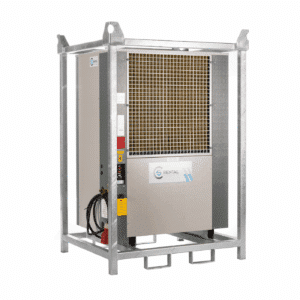
Condensdroger DH-300 BY
Waterkwaliteitseisen condensdroger
Voor het gebruik van de condensdroger zijn bepaalde eisen aan de waterkwaliteit van belang. Bij een condensdroger wordt namelijk de aangezogen en vochtige lucht gekoeld via het verdampergedeelte van een gesloten koelsysteem. De condensdroger bevat een geurloos, brandbaar koelmiddel dat bij onjuiste behandeling en geen rekening houden met de waterkwaliteitseisen kan leiden tot brand en explosies. Het koudemiddelcircuit staat onder druk. Gebruik daarom ook geen voorwerpen om het ontdooiproces te versnellen. Bewaar de condensdroger dan ook niet in ruimten met permanente ontstekingsbronnen, denk hierbij aan: open vuur, werkende gastoestellen of elektrische kachels.
De condensdroger mag niet worden gebruikt in:
- Kamers met een potentieel explosieve atmosfeer;
- Ruimten met een agressieve atmosfeer (bijv. veroorzaakt door chemicaliën);
- Ruimten met water met een pH-waarde lager dan 7,0 of hoger dan 7,4;
- Ruimten met zout of vloeistoffen met een zoutgehalte > 1%, bijv. zoutbaden;
- Ruimten met met ozon behandelde lucht, hoge oplosmiddelconcentraties of hoge stofuitstoot.
Toepassing ontvochtiging condensdroger
De condensdorgers kunnen bij verschillende toepassingen van luchtontvochtiging worden ingezet. Het is van belang om een nauwkeurige berekening van de ontvochtigingscapaciteit wordt uitgevoerd, voornamelijk bij grotere ruimtes of gecompliceerde klimatologische milieuomstandigheden.
Inzetmogelijkheden voor de industriële condensdroger:
- Preventie van condensvorming in laad-/losruimtes -denk hierbij aan koelhuizen waar temperaturen onder de -15°C voorkomen;
- Productie- en opslagruimtes (ook installaties met specifieke vochtigheidseisen);
- Voorkomen van corrosie in schakelcentrales, ketelinstallaties, tubines en pijpleidingen;
- Industriële proces- en productdroging, ruimte ontvochtiging;
- Bescherming van tanks en schepen tegen corrosie;
- Ontvochtiging in watertechnische inrichtingen en het voorkomen van condensvorming.
Veelgestelde Vragen over Condensdrogers (FAQ)
Wat is een condensdroger en wanneer kies je hiervoor?
Een condensdroger haalt vocht uit de lucht door deze af te koelen tot onder het dauwpunt, zodat waterdamp condenseert en wordt afgevoerd. Je kiest een condensdroger bij temperaturen vanaf ~8–10 °C en wanneer je efficiënt grote hoeveelheden vocht wilt verwijderen in bouw-, productie- en opslagruimtes.
Hoe werkt een condensdroger?
Vochtige lucht stroomt langs het verdampergedeelte van een gesloten koelsysteem en koelt af tot boven 100% RV, waardoor condens ontstaat. Het water loopt naar een reservoir of afvoerslang. De lucht wordt daarna via de condensor weer opgewarmd en droog terug de ruimte ingeblazen.
Welke capaciteiten en modellen zijn beschikbaar?
Het assortiment loopt van compacte bouwdrogers (bijv. DF-175 S, DF-400, DF-800) tot hoge capaciteit industrieel (DH-150 GXF ±2.200 m³/u, DH-300 BY ±5.000 m³/u met een ontvochtigingscapaciteit tot 600 l/24 u). De keuze hangt af van ruimtevolume, gewenste -RV, temperatuur, infiltratie en vochtlast.
Wanneer kies ik condensdrogers i.p.v. adsorptiedrogers?
Condensdroger: bij mild tot warmere condities vanaf 8°C, Gewenste RV vanaf 45% , doorgaans voor bouwdroging en industriële ruimte droging.
Adsorptiedroger: bij lage temperaturen (< 8 °C) of zeer lage gewenste RV. zoals bij koude opslag, speciale processen met een gewenste RV lager dan 40%. < 8 °C or very low target RH (cold storage, special processes)
Where are industrial condenser dryers used?
Onder meer voor gebouw- en ruimtedroging, productie- en opslagruimtes (met specifieke RV-eisen), corrosiepreventie in schakelcentrales/ketelhuizen/turbines/pijpleidingen, proces- en productdroging, bescherming van tanks en schepen, en het voorkomen van condensvorming in watertechnische installaties en laad-/losruimtes.
Zijn er veiligheids- of gebruik restricties?
Ja. Een condensdroger bevat een koudemiddel en het systeem staat onder druk. Grotere machines moeten jaarlijks gekeurd worden. Vermijd inzet in:
– ATEX-zones of ruimtes met explosiegevaar
– Chemisch agressieve omgevingen
– Ruimtes met water pH 7,4 of zoutgehalte > 1% < 7.0 or > 7.4 or salt content > 1%
– Omgevingen met ozon, oplosmiddelen of veel stofbelasting
– Locations with open flames or permanent ignition sources
Zorg dat waterafvoer en ventilatie goed zijn geregeld. Bij twijfel adviseert CSrental over een veilige inzet op locatie.
Hoe bepaal ik de juiste capaciteit (m³/u en l/24 u)?
Richtlijn: bereken op basis van ruimtevolume, huidige- en gewenste-RV, temperatuur, infiltratie en procesvocht. CSrental maakt een capaciteitsberekening en adviseert de juiste combinatie (luchtvolume m³/u, waterafvoer l/24 u, opstelling en afvoer).
Hoe snel kan CSrental leveren en installeren?
Door ruime voorraad kunnen we vaak dezelfde dag leveren en bedrijfsklaar aansluiten (inclusief slangen/afvoer). Neem gerust contact op voor advies op maat.