
Buffervaten
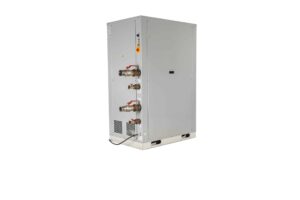
CST-300 Buffertank
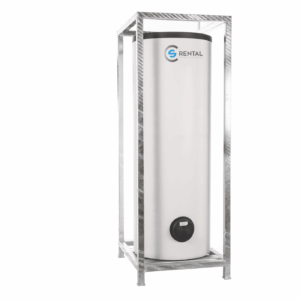
MWS-500 Buffervat
Veelgestelde vragen over buffervaten (FAQ)
Wat is een buffervat en hoe werkt het?
Een buffervat is een watertank die tijdelijk warmte opslaat en vervolgens warmte afgeeft aan het verwarmingssysteem wanneer er vraag is. Het fungeert als een soort accu die temperatuurschommelingen opvangt en zorgt voor een stabielere warmteafgifte. Buffervaten worden vaak ingezet in combinatie met ketels, boilers of warmtepompen om het verwarmingsproces betrouwbaarder en efficiënter te maken.
Wanneer is het verstandig om een buffervat te gebruiken?
Een buffervat is vooral geschikt wanneer de warmtevraag sterk wisselt, bijvoorbeeld bij piekbelastingen of wanneer meerdere afgiftesystemen tegelijk gevoed moeten worden. Ook bij installaties waar de warmtebron niet modulair genoeg is, voorkomt een buffervat onnodig schakelen. In tijdelijke situaties zoals bouwprojecten, evenementen of procesverwarming helpt het om het comfort en de bedrijfszekerheid constant te houden.
Wat zijn de voordelen van een buffervat in mijn tijdelijke installatie?
Een buffervat zorgt voor een stabiel verwarmingssysteem doordat de aanvoer- en retourtemperaturen gelijkmatiger blijven. Daarnaast voorkomt het dat een ketel, boiler of warmtepomp steeds aan- en uit moet schakelen, waardoor de installatie efficiënter en duurzamer draait. Ook worden vraagpieken beter opgevangen en biedt een buffervat een hydraulische ontkoppeling, waardoor de waterstromen van bron- en afgiftezijden onafhankelijk en beter regelbaar zijn.
Welke buffervaten kan ik huren bij CSrental?
Wij verhuren onder andere de MWS-500 Buffervat en de T-300 Buffervat met pomp. Daarmee bieden wij oplossingen met een inhoud van circa 300 tot 500 liter. Afhankelijk van uw situatie adviseren wij welk volume en welke uitvoering het beste past bij uw warmtebron en afgiftesysteem. Er zijn buffervaten beschikbaar tot 2000 liter.
Wat is het verschil tussen een buffervat met pomp en een buffervat zonder pomp?
Een buffervat met pomp, zoals de T-300, beschikt over een geïntegreerde circulatiepomp die de waterstroom ondersteunt en regelt. Een buffervat zonder pomp, zoals de MWS-500, maakt gebruik van de pompen die al aanwezig zijn in de warmtebron of het afgiftesysteem. De keuze hangt af van de benodigde waterstroom, leidinglengtes en de gewenste regeling.
Hoe wordt een buffervat aangesloten?
Een buffervat wordt aangesloten tussen de warmtebron en het afgiftesysteem via aanvoer- en retourleidingen. Hierbij is het belangrijk dat de juiste componenten worden toegepast, zoals sensoren, ontluchting, veiligheidsvoorzieningen, een expansievat en goede isolatie. Op die manier functioneert het systeem veilig en optimaal.
Kan een buffervat ook gebruikt worden in combinatie met vloerverwarming of tapwatermodules?
Ja, buffervaten zijn uitstekend inzetbaar bij vloerverwarming omdat ze het opstook- en afkoelprotocol beter laten verlopen en zo scheurvorming in vloeren helpen voorkomen. In combinatie met een verswatermodule kan een buffervat ook dienen als buffer voor de productie van hygiënisch warm tapwater.
Kan ik advies krijgen over welk buffervat geschikt is voor mijn project?
Ja, onze technisch adviseurs helpen u graag met het bepalen van het juiste buffervat. Op basis van uw warmtebron, afgiftesysteem en de gewenste capaciteit ontvangt u een passend advies, zodat u verzekerd bent van een betrouwbare en efficiënte installatie.