Adsorptiedroger
CSrental heeft een aantal adsorptiedrogers in het assortiment die geschikt zijn om te huren. De MDC adsorptiedroger biedt een tijdelijke of stationaire oplossing voor een vochtprobleem in de bouw, scheepvaart, industrie, farmacie / voedingsmiddelenindustrie, petrochemie en op kantoor of magazijn. Ons uitgebreide assortiment adsorptiedrogers is specifiek ontworpen om een breed scala aan vochtproblemen aan te pakken, waardoor schimmelvorming en kwaliteitsverlies worden voorkomen en een betere werkomgeving wordt gecreëerd.
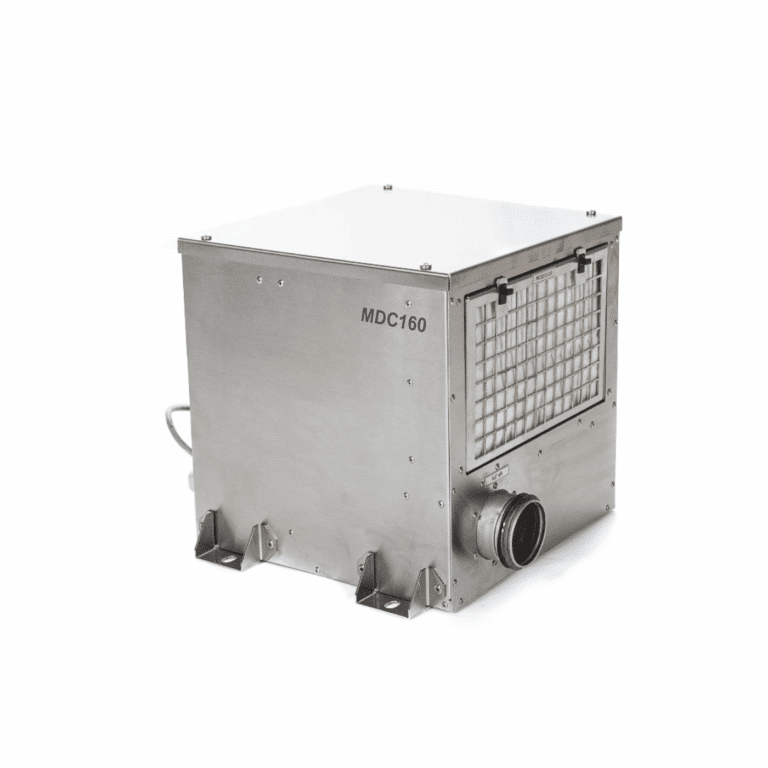
Adsorptiedroger MDC-160
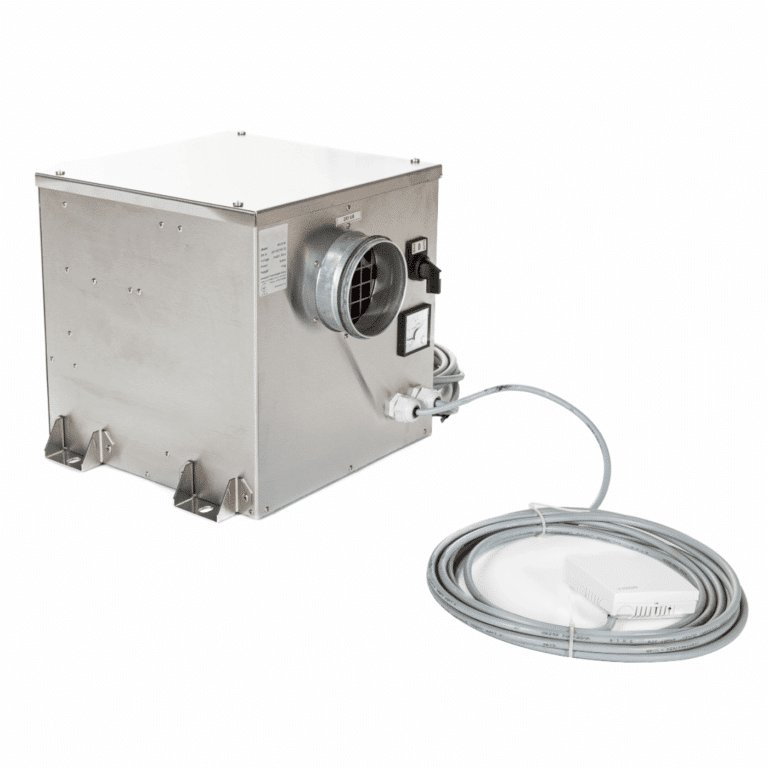
Adsorptiedroger MDC-250
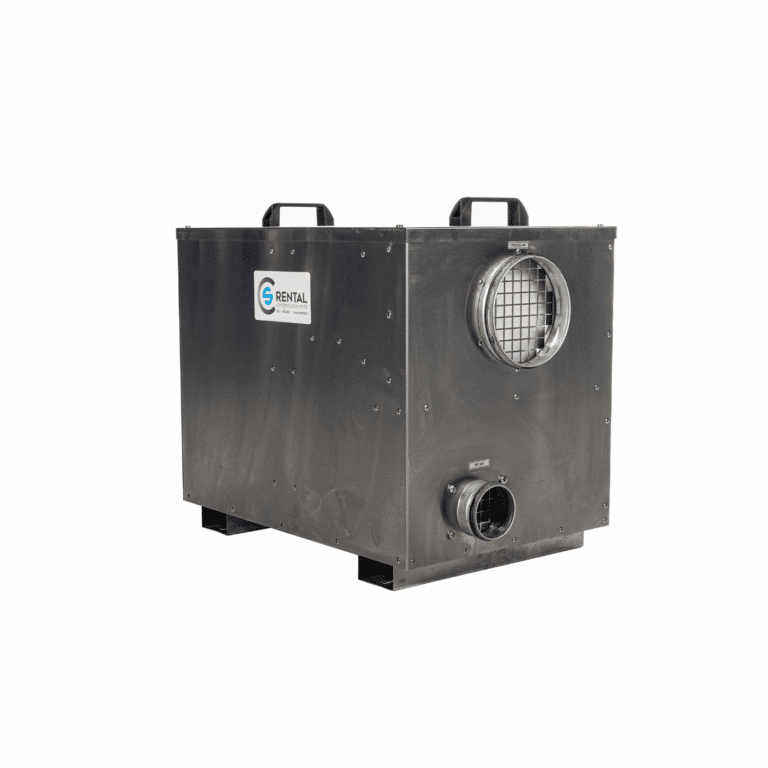
Adsorptiedroger MDC-450 huren
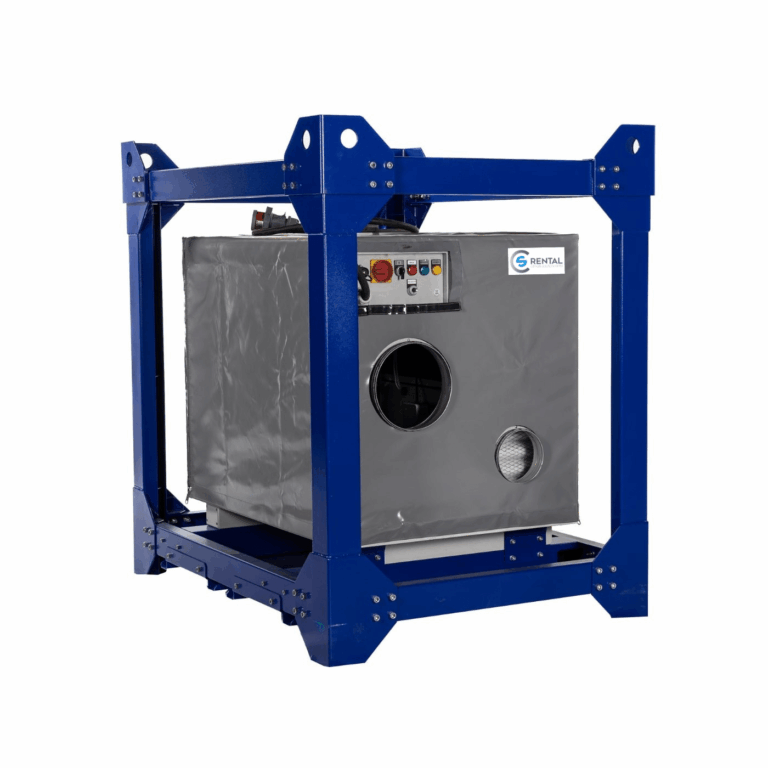
Adsorptiedroger MDC-1000
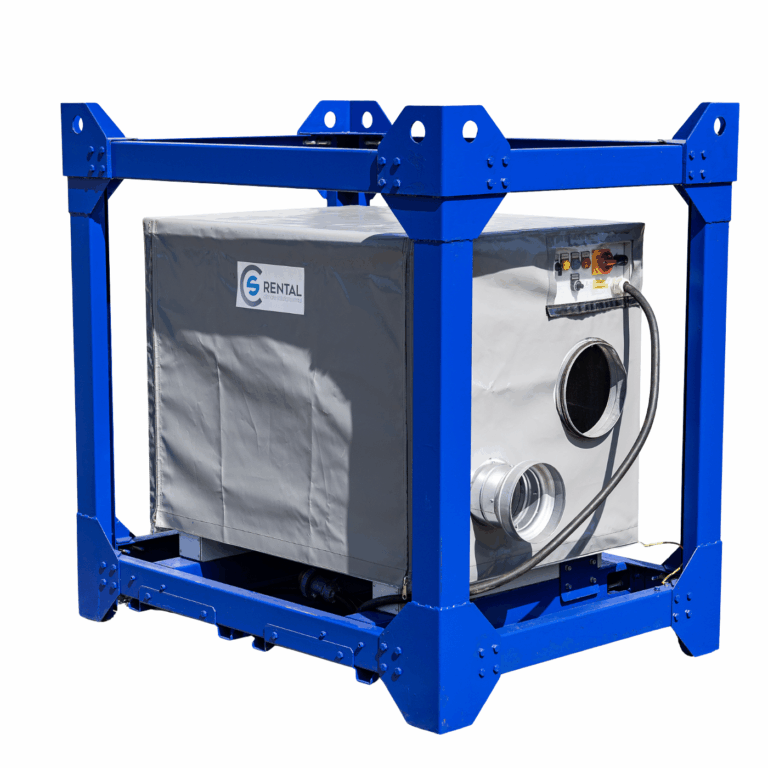
Adsorptiedroger MDC-2000
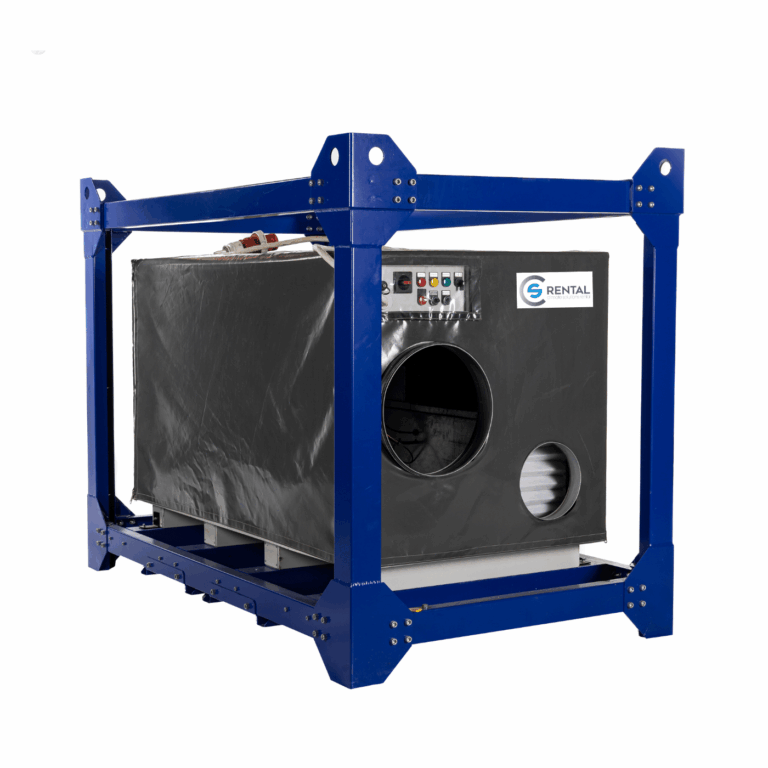
Adsorptiedroger MDC-3000
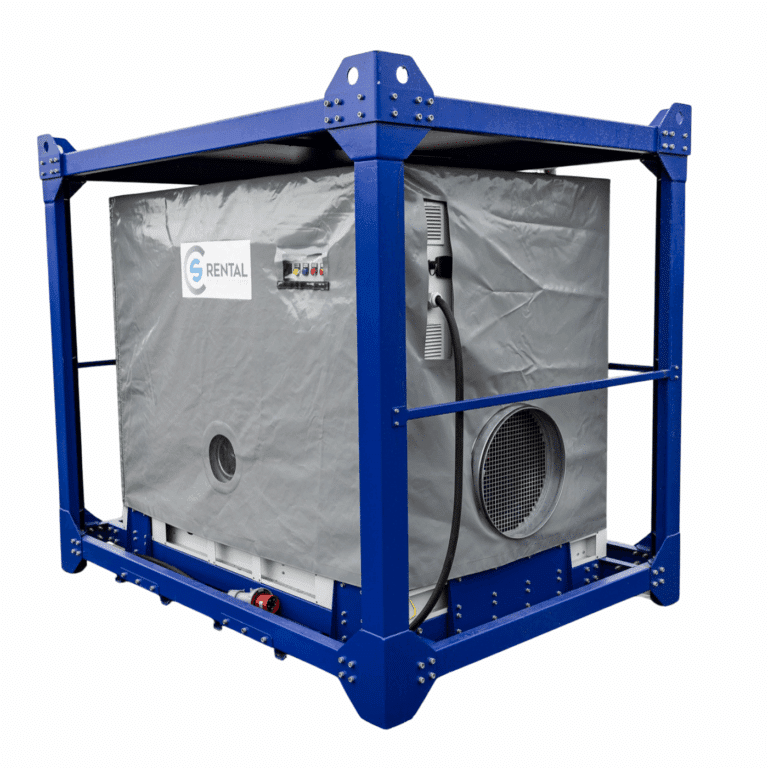
Adsorptiedroger MDC-5000
Adsorptiedroger inzetten

Onze adsorptiedrogers zijn uiterst effectief in situaties waar een lage relatieve luchtvochtigheid essentieel is, zoals in munitiemagazijnen en binnen de farmaceutische en chemische industrie, of waar werkzaamheden plaatsvinden bij temperaturen lager dan 8°C, zoals in koude opslagfaciliteiten.
- Met capaciteiten variërend van 160 m³/u tot 5.000 m³/u, zijn onze MDC adsorptiedrogers
uitgerust om elke uitdaging aan te gaan. De robuuste constructie, inclusief een stalen frame
en een beschermzeil, maakt ze bijzonder geschikt voor verhuur. - Bovendien biedt de mogelijkheid tot monitoring vanaf je PC of monitoring op afstand, real-time inzicht in luchttemperatuur en relatieve luchtvochtigheid, waardoor u volledige
- Onze adsorptiedrogers verbruiken een stuk minder energie dan andere machines in de markt.
Neem de MDC5000; deze adsorptiedroger verbruikt ten opzichte van een conventionele
adsorptiedroger, maar liefst 50% van de energie (40kW/h ten opzichte van 80 kW/h). Dit om het
grootste deel van de markt te bedienen met de meest bruikbare toepassingen. Bij specifiekere
aanvragen kunnen we altijd specialistische aanpassingen doen aan de machines, om toch in alle
toepassingen te voorzien.
Ontdek hoe de adsorptiedrogers van CSrental uw bedrijf kunnen ondersteunen in het effectief beheren van vochtproblemen. Met onze geavanceerde ontvochtigingsoplossingen creëert u een optimale omgeving voor uw projecten en processen. Neem vandaag nog contact met ons op voor meer informatie over onze producten en hoe we u kunnen helpen bij het realiseren van uw ontvochtigingsbehoeften. 160 m³/h naar 5,000 m³/h. Een stalen frame en een beschermzeil maken de adsorptiedroger geschikt voor verhuur. De adsorptiedrogers kunnen worden voorzien van monitoring, zodat de luchttemperatuur en de relatieve luchtvochtigheid op elk moment kunnen worden geraadpleegd.
De werking van een adsorptiedroger
Bij de adsorptiedroger wordt gebruik gemaakt van het vocht adsorberend vermogen van stoffen zoals silicagel en lithiumchloride. Deze twee stoffen worden geïmpregneerd op een roterend keramisch wiel. Met als gevolg dat de vochtige lucht uit de ruimte geblazen wordt. Het vocht wordt opgenomen door het hygroscopische materiaal dat zich in de adsorptiedroger bevindt en daardoor ontstaat er droge lucht. De adsorptiedroger blaast vervolgens de droge lucht de ruimte in. Bij de MDC adsorptiedroger vindt een proces plaats over twee afzonderlijke luchtkanalen.
Waterkwaliteitseisen van de adsorptiedroger
Let op: Voordat u de adsorptiedroger gebruikt, inventariseert u de ruimte en neemt u de nodige maatregelen. De adsorptie-ontvochtiger mag niet worden gebruikt in:
- Omgevingen waar deeltjes, gas, rook en dergelijke kunnen worden aangezogen als gevolg van gecreëerde negatieve druk, die een nadelige invloed kan hebben op schoorstenen, ovens of andere soortgelijke apparatuur;
- In ruimten met een potentieel explosieve atmosfeer;
- In ruimten met een agressieve atmosfeer (die bijvoorbeeld wordt veroorzaakt door chemicaliën);
- In ruimten met water met een pH lager dan 7,0 of hoger dan 7,4;
- In gebieden met zout of vloeistoffen met een zoutgehalte > 1%, bijv. zoutbaden;
- In vochtige ruimtes van overdekte zwembaden;
- In ruimten met met ozon behandelde lucht, hoge concentraties oplosmiddelen of hoge stofbelasting.
Veelgestelde Vragen over Adsorptiedrogers (FAQ)
Wat is een adsorptiedroger en wanneer kies je hiervoor?
Een adsorptiedroger verlaagt de luchtvochtigheid via adsorptie op een silicagel wiel (o.a. silicagel/lithiumchloride). Je kiest dit principe bij lage temperaturen (< 8°C) en bij zeer lage gewenste RV of wanneer condensdrogers tekortschieten (koude opslag, farmacie, chemie, scheepvaart, industrie).< 8 °C), very low target RH, or whenever condenser dryers are insufficient (cold storage, pharma, chemical, marine, industrial).
Hoe werkt een MDC-adsorptiedroger precies?
De MDC-serie werkt met een roterend keramisch sorptiewiel met twee gescheiden luchtkanalen: een procesluchtstroom die wordt gedroogd en een regeneratieluchtstroom die het wiel opnieuw droogt. Zo levert de unit continu droge lucht terug de ruimte in.
Welke capaciteiten zijn er beschikbaar?
Het assortiment loopt van MDC-160 (±160 m³/u) tot MDC-5000 (±5.000 m³/u). Voor selectie kijken we naar ruimtevolume, gewenste RV, temperatuur, infiltratie en proceslast. CSrental rekent de benodigde drooglucht (m³/u) en regeneratielucht door en adviseert een passende configuratie.
Hoe verhoudt het energieverbruik zich tot conventionele adsorptiedrogers?
De MDC-lijn is ontwikkeld voor efficiënte droging. In praktijkvoorbeelden verbruikt de MDC-5000 circa 40 kW/h waar conventionele alternatieven rond 80 kW/h liggen (≈ 50%), afhankelijk van condities en set-up.
In welke sectoren worden adsorptiedrogers ingezet?
Onder meer bouw/renovatie, scheepvaart, farmacie & food, petrochemie, munitiemagazijnen, kantoren en magazijnen waar stabiel lage RV en productkwaliteit cruciaal zijn.
Kan ik de prestaties monitoren?
Ja. Optioneel is (remote) monitoring voor luchttemperatuur en relatieve vochtigheid beschikbaar, met inzicht via PC of op afstand. Dit helpt bij borging van kwaliteit en planning.
Zijn er beperkingen of aandachtspunten voor gebruik?
Gebruik niet in omgevingen met explosiegevaar (ATEX), agressieve atmosfeer/chemische dampen, hoge stofbelasting, ozonbehandeling of bij processen die door negatieve druk onveilig worden (zoals schoorstenen/ovens). Ook niet toepassen bij omgevingen met water pH 7,4 of zoutgehalte > 1% (bijv. zoutbaden). < 7.0 or > 7.4 or salt content > 1% (e.g. salt baths).
Hoe snel kan CSrental leveren en installeren?
Door ruime voorraad en verhuur-opbouw kunnen we vaak dezelfde dag leveren en bedrijfsklaar aansluiten (incl. slangen/koppelingen). Neem gerust contact op voor advies op maat.